

Let’s talk about something most of us know is important, but don’t always get enough of. Omega 3 DHA. It sounds technical, but it’s actually quite simple, and incredibly important for both brain development and emotional wellbeing.
Your brain is made up of nearly 60% fat, and Omega 3 DHA is one of the key fats it relies on to function properly. It supports communication between brain cells, plays a role in memory and learning, and contributes to mood regulation as well as eye and nervous system development. When it comes to babies and children, DHA isn’t just beneficial, it’s essential.
During pregnancy, a baby’s brain is developing at an extraordinary rate, and it draws DHA directly from the mother to do so. The body prioritises the baby’s needs, which means a mother’s own DHA levels can become depleted if they aren’t being replenished through diet or supplementation. This is one of the reasons why researchers have explored the connection between low DHA levels and postnatal depression. Some studies suggest that insufficient omega 3 intake during and after pregnancy may be linked to a higher risk of low mood and emotional imbalance during this period. Supporting DHA intake, therefore, is not only about the baby’s development, but also about protecting a mother’s mental wellbeing during a time when she needs it most.
As children grow, their brains continue to develop well into their teenage years. DHA remains a critical building block throughout this time, supporting focus, memory, and the ability to learn and process information. Research has shown that children who consume higher levels of omega 3 fatty acids tend to perform better in certain cognitive and behavioural measures, including reading, attention, and overall school performance. In a world where children are constantly being asked to absorb and process information, giving their brains the right nutritional support can make a meaningful difference.
The challenge, of course, is that many people simply aren’t getting enough omega 3 in their diets. Oily fish, one of the primary sources of DHA, isn’t something most children eat regularly, and for many adults, especially during pregnancy, it’s not always appealing either. Traditional fish oil supplements can also be difficult to stick with, particularly because of the taste, aftertaste, or general inconvenience.
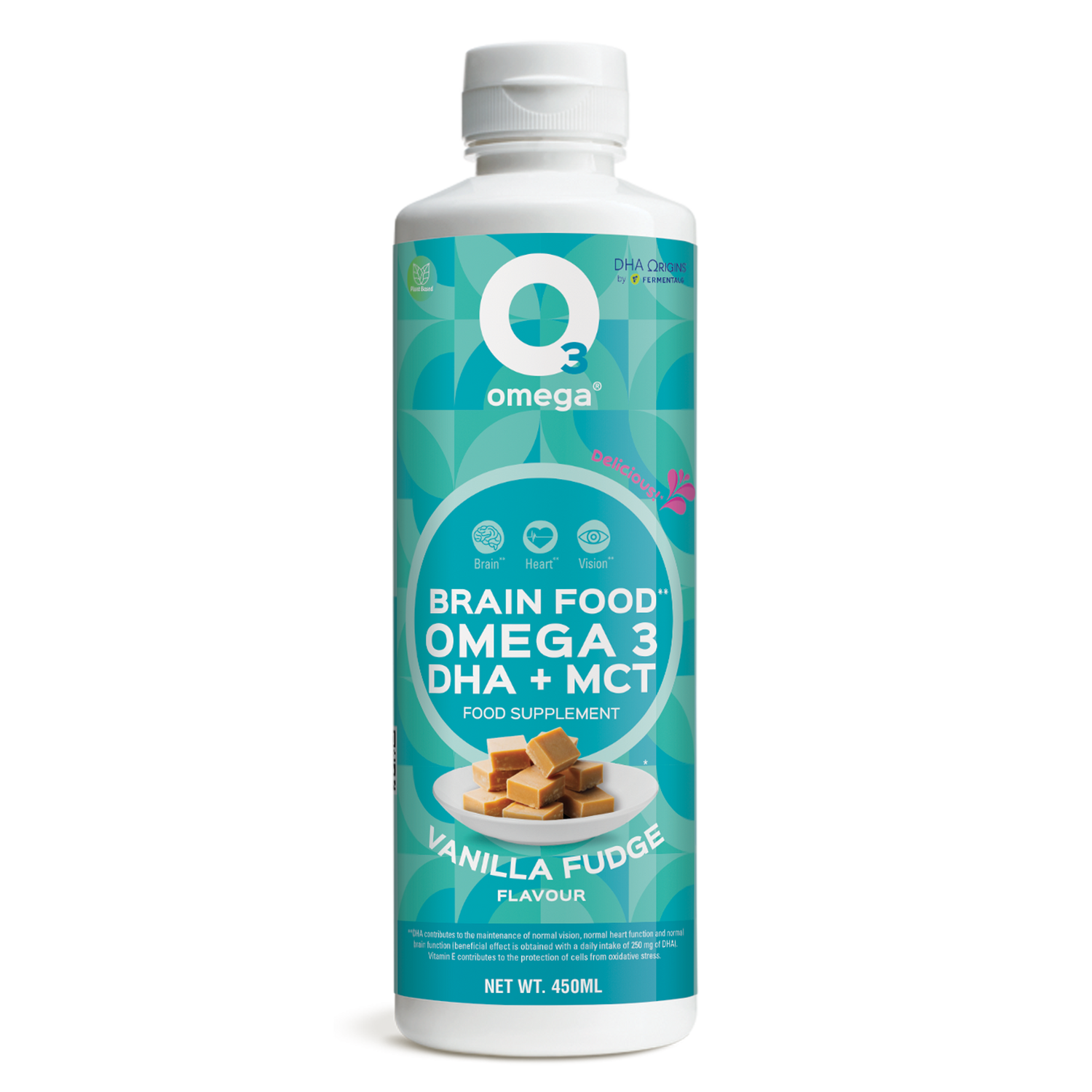
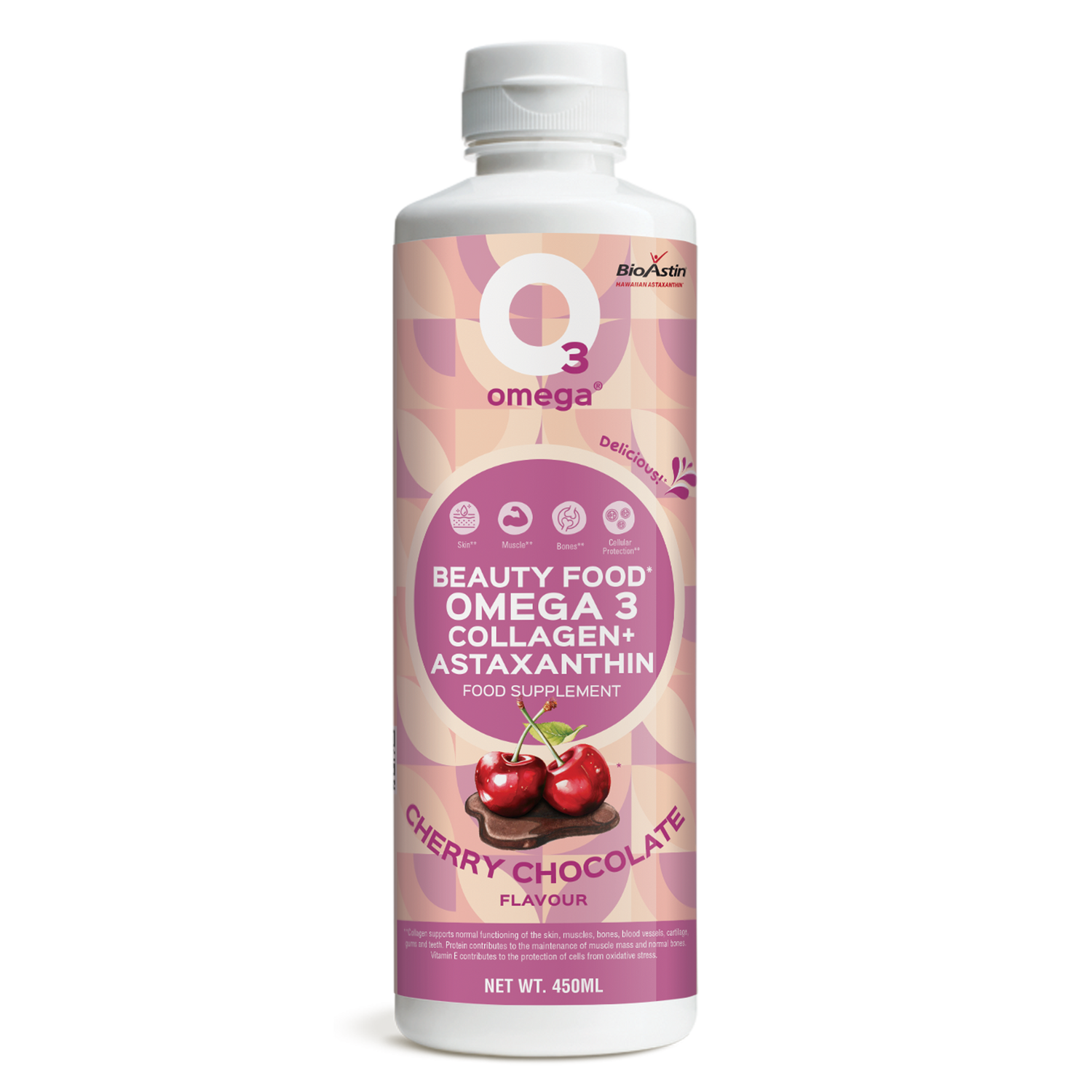
This is where newer approaches to supplementation are beginning to make things easier. Instead of capsules, omega 3 can now be consumed in more versatile and enjoyable ways. For example, smoothie-style formulations allow DHA to be easily mixed into foods or drinks, making it far more practical for daily use, especially with children. When combined with liposomal delivery systems, which use natural lipids to support absorption, these types of products can also help the body utilise DHA more effectively. Many of these newer formulations are plant-based, derived from algae rather than fish, which makes them a cleaner and more sustainable option while also avoiding the issues of taste and contaminants sometimes associated with fish oils. As highlighted in the product brochure, these supplements are designed to be easy to incorporate into everyday routines, whether added to breakfast, blended into a smoothie, or simply enjoyed on their own .
It’s also worth stepping back and looking at the bigger nutritional picture during pregnancy and postnatal recovery. Omega 3 DHA is one of the key nutrients, but it works best as part of a broader foundation. Many practitioners now recommend focusing on a combination of essential nutrients that support both baby’s development and the mother’s energy, recovery and mood. This often includes vitamin D3 for immune function and mood support, folate in its natural methylated form rather than synthetic folic acid, choline which is increasingly recognised for its role in brain development, iron where needed to support blood health, iodine for thyroid function, magnesium for nervous system support, and a good quality protein intake to support overall growth and repair. Collagen can also be helpful, particularly postnatally, as it provides key amino acids that support tissue recovery, skin elasticity and joint health.
Alongside supplementation, whole foods play a powerful role. Nutrient-dense foods like organic liver, when sourced and prepared properly, provide a rich supply of bioavailable vitamins including vitamin A, iron and B vitamins. Eggs are another standout, offering choline, healthy fats and high-quality protein in an easy, accessible form. Oily fish, where tolerated, remains one of the most direct sources of DHA, while grass-fed meats, full-fat dairy, leafy greens, and seasonal vegetables all contribute to a well-rounded nutritional base. The focus isn’t on perfection, but on gently increasing the intake of foods that naturally support both mother and baby during this demanding stage of life.
It’s worth remembering that the body cannot produce Omega DHA on its own, so it has to come from what we eat. In reality, modern diets don’t always provide consistent levels, which is why being more intentional about omega 3 intake can be so valuable. Supporting DHA levels doesn’t require a dramatic lifestyle change. Often, it’s simply about filling in a nutritional gap in a way that fits into daily life.
When you look at the bigger picture, something as small as ensuring a regular intake of DHA can have a lasting impact, from supporting a baby’s brain development before birth, to helping children focus and learn, to maintaining emotional balance in adults. It’s a simple addition, but one that supports the body in ways that are both foundational and far-reaching.
References:
Hibbeln JR. Seafood consumption and rates of postpartum depression. Journal of Affective Disorders, 2002.
Gould JF et al. Omega-3 fatty acids and maternal mental health. Prostaglandins, Leukotrienes and Essential Fatty Acids, 2013.
Richardson AJ and Montgomery P. The Oxford-Durham study: a randomized trial of dietary supplementation with fatty acids in children with developmental coordination disorder. Pediatrics, 2005.
McNamara RK. DHA and cognitive function. Prostaglandins, Leukotrienes and Essential Fatty Acids, 2010.


0 comments